
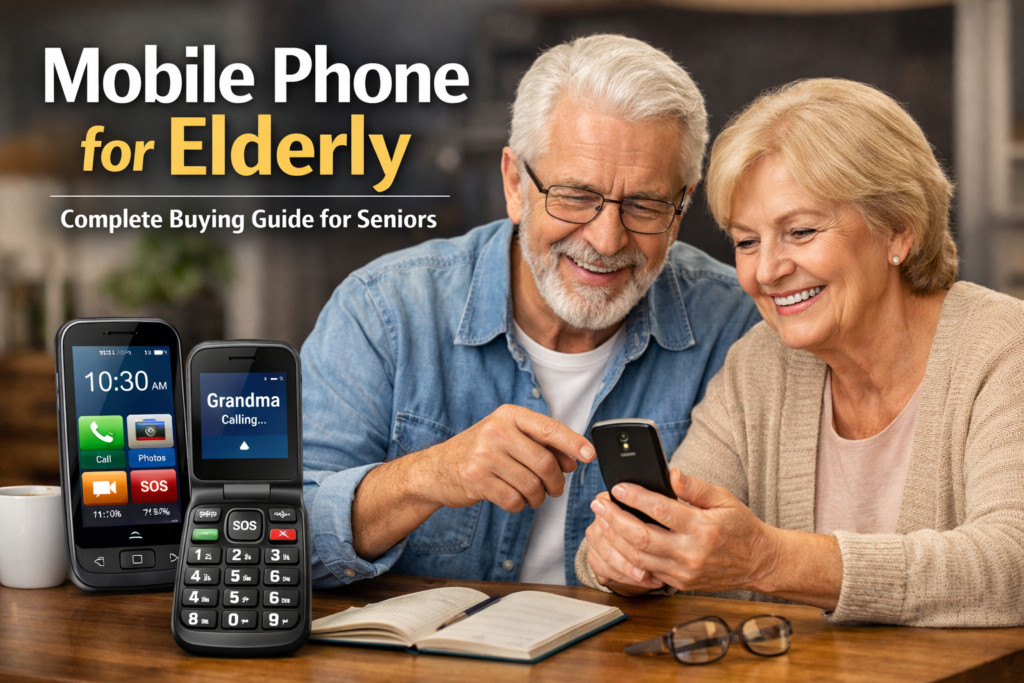
Mobile Phone for Elderly
Technology has transformed the way we communicate, but not all devices are designed with simplicity in mind. For older adults, using modern smartphones can sometimes feel overwhelming. That’s why a mobile phone for elderly has become an essential tool for staying connected while maintaining ease of use. These devices are specially designed to meet the unique needs of seniors, combining simplicity, accessibility, and safety.
A mobile phone for elderly users isn’t just about making calls. It helps them stay in touch with family and friends, access emergency services quickly, and even enjoy modern conveniences without confusion. With the right device, older adults can maintain their independence while feeling secure in case of emergencies.
Understanding what features make a mobile phone elderly-friendly, and how to choose the right model, ensures a positive and empowering experience. This guide explores the essential aspects of these devices, including their features, benefits, and practical tips for choosing the best one.
Why Mobile Phones Are Important for Seniors
The benefits of a mobile phone for elderly users extend beyond communication. These devices play a crucial role in safety, convenience, and independence. For many seniors, mobility and memory may be challenging, making simple access to communication and emergency features vital.
A user-friendly mobile phone allows seniors to reach out for help in case of accidents or health concerns. It also provides peace of mind for family members who want to ensure their loved ones are safe. Beyond safety, these phones help seniors engage with modern technology, making it easier to stay socially connected and mentally active.
Moreover, specialized mobile phones designed for elderly users often focus on ergonomic design, larger buttons, and clear displays. This thoughtful design reduces frustration and encourages consistent use, making the device a practical tool rather than a source of stress.
Key Features to Look for in a Mobile Phone for Elderly
When selecting a mobile phone for elderly, several essential features can make a significant difference in usability and convenience.
Large and Clear Display
A phone with a large screen and readable text helps seniors navigate menus and read messages without straining their eyes. Clear contrast between text and background enhances readability, making interaction smoother.
Simple and Intuitive Interface
A minimalistic interface with straightforward menus reduces confusion. Buttons should be clearly labeled, and essential functions like calling, messaging, and contacts should be easily accessible.
Loud and Clear Audio
Hearing can be a challenge for some seniors. Mobile phones for elderly users often feature adjustable volume, loud ringtones, and clear speakers to ensure conversations are easy to hear.
Emergency Assistance Features
Many devices include a dedicated emergency button that immediately contacts predefined numbers or local emergency services. This feature provides reassurance for both users and their families.
Long Battery Life
Older adults may forget to charge their phones frequently. A long-lasting battery ensures that the phone remains functional throughout the day, providing reliable access to communication when needed.
Types of Mobile Phones Suitable for Elderly Users
While smartphones dominate the market, not all are suitable for older adults. A mobile phone for elderly can take various forms depending on the user’s comfort with technology.
Feature Phones
Feature phones are ideal for seniors who prefer simplicity. They focus on basic calling, texting, and essential functions. Large physical buttons, easy-to-read screens, and basic interfaces make them user-friendly.
Senior-Friendly Smartphones
For seniors who are comfortable with some technology, senior-friendly smartphones offer touchscreens, simplified menus, and essential apps pre-installed. These phones often include features like video calling, health tracking, and reminders.
Flip Phones
Flip phones combine simplicity with protection for the screen. They often include large buttons and easy-to-use navigation, making them practical and durable options for older adults.
Choosing the right type of phone depends on the user’s familiarity with technology, eyesight, hearing, and personal preferences.
Benefits of Mobile Phones for Elderly Users
A well-designed mobile phone provides multiple benefits that enhance safety, convenience, and social connectivity.
• Enables quick communication with family, friends, and caregivers
• Provides immediate access to emergency services through dedicated buttons
• Supports mental engagement and connectivity with apps for news, reminders, and entertainment
• Encourages independence by allowing seniors to manage appointments and daily activities
• Offers peace of mind for both seniors and their loved ones
These advantages demonstrate why investing in the right mobile phone for elderly users is a meaningful decision.
How to Choose the Right Mobile Phone
Selecting the perfect device requires understanding the user’s needs and preferences.
-
Assess the User’s Comfort Level: Determine whether the senior prefers a simple feature phone or a more advanced smartphone with touch functionality.
-
Check Display and Audio Needs: Ensure the screen size, contrast, and audio features are suitable for vision and hearing abilities.
-
Look for Emergency Functions: Consider phones with SOS buttons or direct access to emergency contacts.
-
Evaluate Durability and Battery Life: Seniors may drop devices or forget to charge them; durability and long battery life are essential.
-
Consider Cost and Support: Choose a device that fits the budget and comes with easy access to technical support or tutorials.
Following these guidelines ensures the phone meets both practical and emotional needs, enhancing the user experience.
Tips for Seniors Using Mobile Phones
Even the best devices can feel confusing without guidance. Providing simple instructions and support helps seniors use their phones effectively.
• Preload contacts and favorite numbers for quick access
• Set up large fonts and high contrast for readability
• Teach the user how to use emergency features and basic settings
• Encourage practice with texting, calling, and using essential apps
• Regularly check for software updates or battery issues
These tips help seniors gain confidence and independence while using their mobile phones.
Frequently Asked Questions
What is the best mobile phone for elderly users?
The best mobile phone depends on the user’s comfort with technology, but devices with large buttons, clear displays, and emergency features are generally recommended.
Are smartphones suitable for seniors?
Yes, senior-friendly smartphones with simplified interfaces and essential apps can be suitable for those comfortable with touchscreens.
How important is battery life in a senior phone?
Very important. Long battery life ensures the device remains reliable, especially in emergencies or when daily charging may be overlooked.
Do these phones have emergency features?
Many mobile phones for elderly users include SOS buttons or direct access to emergency contacts for added safety.
Can seniors use apps on these phones?
Senior-friendly smartphones often include preloaded apps for messaging, video calling, reminders, and health monitoring, making technology accessible and useful.
Conclusion
A mobile phone for elderly is not just a device; it is a tool for safety, independence, and connection. By focusing on features such as large displays, simple interfaces, clear audio, emergency assistance, and long battery life, seniors can enjoy a stress-free and empowering communication experience.
Choosing the right phone involves understanding the user’s technological comfort level, physical needs, and lifestyle. With the proper device and guidance, older adults can stay connected with family and friends, manage daily activities, and enjoy peace of mind.
Investing in a mobile phone designed specifically for seniors ensures they remain connected, independent, and confident in a fast-paced digital world. A thoughtful selection provides both convenience and security, making it an essential tool for modern life.