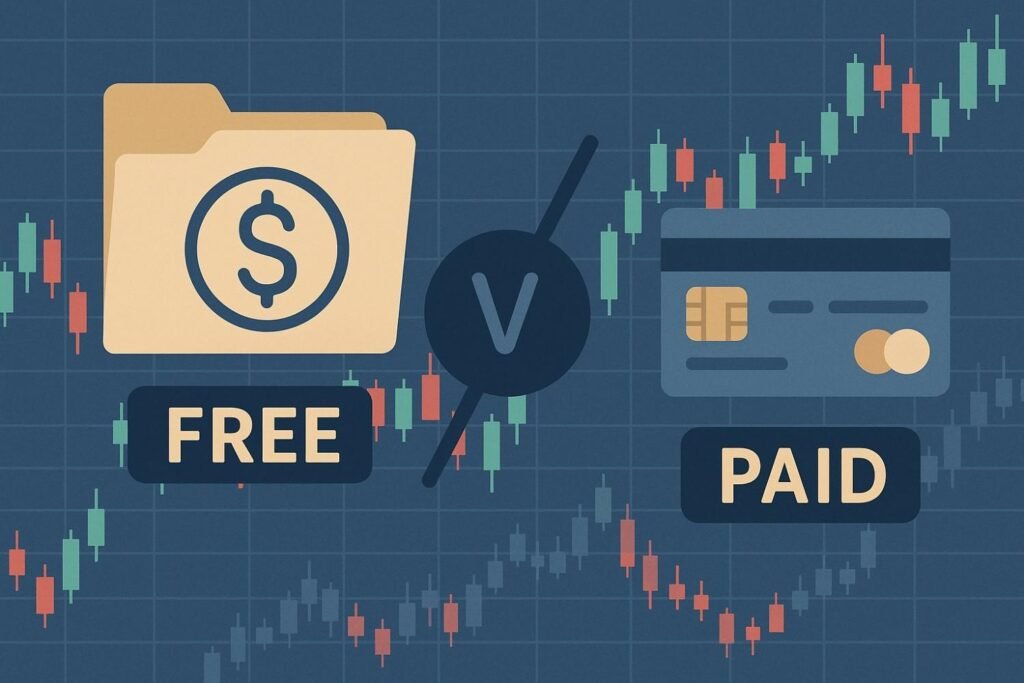
The forex market is vast and complex, and traders use various tools to gain insights, develop strategies, and execute trades effectively. These tools can range from charting software and economic calendars to automated trading systems and risk management tools. Forex tools are available in both free and paid versions, each offering different features and capabilities. Deciding which tools are worth the investment can be a challenge, especially for new traders who are looking to maximize their resources.
In this article, we’ll explore the key differences between free and paid forex tools, their advantages, and disadvantages, and highlight the tools in each category that are worth considering.
1. Free Forex Tools: Pros and Cons
1.1 What Are Free Forex Tools?
Free forex tools are those that traders can access without any financial cost. These tools are often offered by brokers, trading platforms, or third-party developers. Common examples of free forex tools include:
- Charting Software: Platforms like TradingView and MetaTrader 4 (MT4) provide free access to basic charting and technical analysis tools.
- Economic Calendars: Most brokers and financial websites offer free access to an economic calendar, which displays upcoming events like central bank meetings, GDP reports, and employment data.
- Market News: Free access to forex news websites, such as Forex Factory or Investing.com, which offer real-time news and analysis.
- Risk Management Tools: Basic risk management tools, such as position size calculators and stop-loss order features, are often available for free on broker platforms.
1.2 Advantages of Free Forex Tools
- Cost-Effective: Free tools provide access to essential features at no cost, making them ideal for beginner traders or those with limited capital.
- Accessibility: Most free forex tools are easy to access and use, as they’re available directly through trading platforms or websites with no need for additional installation or subscription.
- Basic Features: Free tools often cover the basic needs of traders, including market analysis, charting, and risk management. For new traders, these features can be sufficient to get started.
1.3 Disadvantages of Free Forex Tools
- Limited Features: Free tools often come with limitations. For instance, free charting software may not offer advanced technical analysis features like multiple chart types, custom indicators, or detailed timeframes.
- Advertisements: Some free tools come with ads or restricted content, which can be distracting or hinder the user experience.
- Lack of Customer Support: Free tools may not offer the same level of customer support or resources as paid versions, which can be an issue if you need assistance troubleshooting or setting up the tools.
- Data Delays: In some cases, free tools may experience data delays or lack access to real-time data, which can be a disadvantage for traders who need up-to-the-minute information.
1.4 When Are Free Forex Tools Worth It?
Free tools are ideal for:
- Beginner Traders: If you’re just getting started, free tools can help you learn the basics without any financial risk.
- Traders with Limited Capital: If you’re working with a small trading account, free tools can provide essential resources without requiring additional financial investment.
- Casual Traders: If you don’t plan to trade full-time or need tools for occasional trading, free tools can suffice.
2. Paid Forex Tools: Pros and Cons
2.1 What Are Paid Forex Tools?
Paid forex tools typically offer more advanced features and functionalities than their free counterparts. These tools are usually subscription-based, or in some cases, available for one-time purchases. Examples of paid tools include:
- Advanced Charting Software: Platforms like TradingView Pro, MetaTrader 5 (MT5), and NinjaTrader offer advanced charting, drawing tools, and customization options.
- Automated Trading Systems (EAs): Many brokers or third-party providers offer paid Expert Advisors (EAs) that automate trading strategies.
- Economic News and Analysis Tools: Paid news services, such as Bloomberg Terminal or Reuters Trading for Exchanges, provide real-time, in-depth market analysis and news.
- Backtesting Software: Tools like MetaTrader 4/5 (paid versions) or TradingView Premium allow traders to backtest their strategies using historical data, which is often a feature unavailable in free versions.
2.2 Advantages of Paid Forex Tools
- Advanced Features: Paid tools generally offer advanced features such as custom indicators, advanced charting, real-time data, and additional risk management capabilities, which can give traders an edge in the market.
- Customization and Flexibility: Many paid tools allow for extensive customization, enabling traders to tailor their trading setup to their specific needs and strategies.
- Real-Time Data: Paid tools often provide access to real-time market data with no delays, ensuring that traders have access to the most up-to-date information.
- Enhanced Customer Support: With paid tools, traders typically receive better customer support, including access to help desks, dedicated account managers, and training resources.
- Automation: Many paid tools offer automated trading systems that can execute trades based on pre-defined strategies, reducing the need for constant market monitoring.
2.3 Disadvantages of Paid Forex Tools
- Cost: Paid tools come with a financial commitment, which can be a burden for traders with limited capital. Subscription fees can range from $30 to $500+ per month depending on the tool’s features and services.
- Learning Curve: Advanced paid tools may have a steeper learning curve, requiring more time to learn how to use them effectively, especially for beginner traders.
- Overwhelm of Features: Some paid tools can overwhelm traders with a wide array of features and customization options, especially for new traders who may not yet need them.
2.4 When Are Paid Forex Tools Worth It?
Paid tools are ideal for:
- Experienced Traders: Advanced traders who need specialized tools like backtesting, algorithmic trading systems, and real-time data feeds benefit greatly from paid tools.
- Full-Time Traders: If you trade regularly and rely on fast execution and deep market analysis, investing in paid tools may provide the competitive advantage you need.
- Professional Traders: Institutional traders, hedge funds, and forex professionals who require sophisticated data analysis, risk management features, and automation will likely find paid tools essential.
3. Comparison: Free vs. Paid Forex Tools
3.1 Charting and Technical Analysis
- Free: Basic charting tools with limited indicators, timeframes, and customization options.
- Paid: Advanced charting with hundreds of customizable indicators, drawing tools, multiple timeframes, and advanced technical analysis features like real-time price alerts.
3.2 Economic Calendar and News
- Free: Access to basic economic calendars and news from websites like Forex Factory or Investing.com, with delays in reporting.
- Paid: Real-time news feeds from premium services like Bloomberg or Reuters, often including in-depth market analysis and financial reporting.
3.3 Automated Trading
- Free: Limited or no access to automated trading features, unless you use open-source platforms like MetaTrader 4 with community-built expert advisors (EAs).
- Paid: Access to professional EAs and custom trading bots with the ability to backtest and optimize strategies for automatic execution.
3.4 Risk Management Tools
- Free: Basic tools like stop-loss and take-profit orders, with limited risk management options.
- Paid: Advanced risk management tools, including margin calculators, position size calculators, and real-time risk alerts.
3.5 Customer Support
- Free: Limited support from brokers or community forums, especially for free trading tools.
- Paid: Priority support, often including live chat, dedicated account managers, and phone support, ensuring fast resolution of issues.
4. Which Forex Tools Should You Choose?
Choosing between free and paid forex tools depends on your trading needs, experience level, and budget. Here’s a quick guide to help you decide:
- For Beginner Traders: Free tools are often sufficient to get started, providing basic charting and news services. They allow you to build a foundation and learn about the forex market without a financial commitment.
- For Intermediate Traders: As you gain more experience, you may find that you need additional features, such as advanced charting, custom indicators, and better risk management tools. In this case, a paid tool may be worth the investment to enhance your trading capabilities.
- For Advanced and Full-Time Traders: Paid tools are essential for full-time traders who need advanced features like automated trading, backtesting, and real-time data. The cost of these tools is typically outweighed by the enhanced functionality, accuracy, and speed they provide.
Conclusion
Both free and paid forex tools offer valuable features for traders, but the right choice depends on your individual needs. Free tools are a great starting point for beginners or casual traders, offering sufficient resources to get a feel for the market. However, as your trading becomes more sophisticated, paid tools can provide a significant edge, offering advanced features, real-time data, and customization options that can help you execute more informed strategies and stay ahead of market trends.