
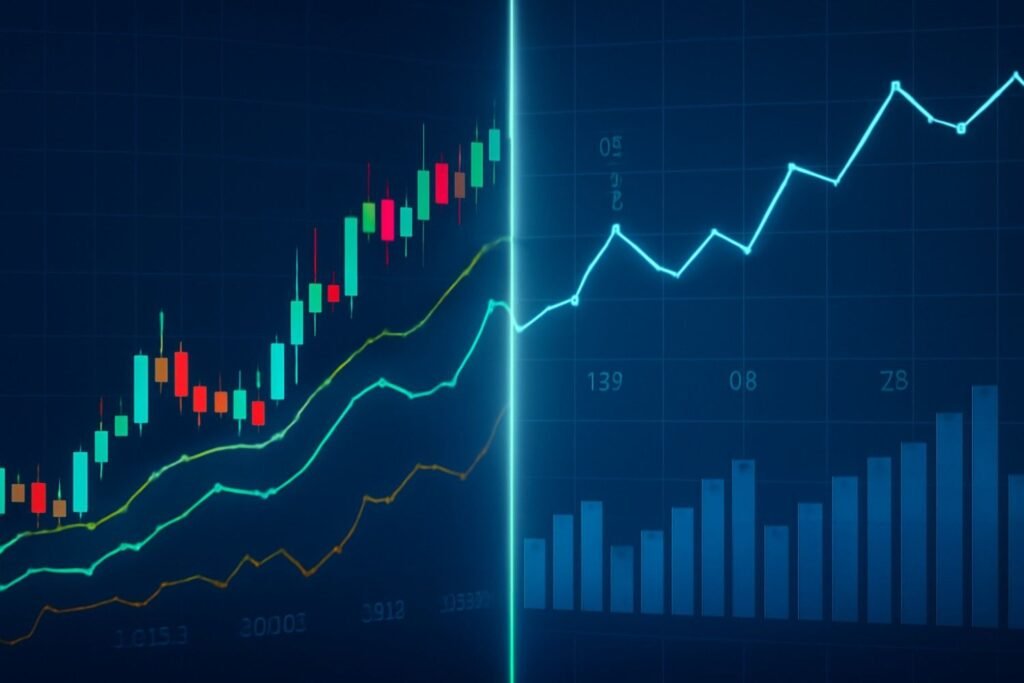
In the fast-paced world of Forex trading, one of the most debated topics is the value of real-time data versus historical data. Both play critical roles in shaping a trader’s strategy, but understanding their differences and when to use them can significantly enhance the accuracy of your trades. Real-time data helps traders make quick decisions based on the current market conditions, while historical data provides context for past market behavior and can help identify potential trends and setups.
In this article, we’ll break down the differences between real-time and historical data tools, explore when and how to use each, and help you decide which matters more in your Forex analysis.
What is Real-Time Data in Forex?
Real-time data refers to the up-to-the-minute market information that reflects the current price movements, trading volume, and other live market conditions. This data is updated continuously, allowing traders to react quickly to changing market dynamics.
Key Characteristics of Real-Time Data:
-
Instant Updates: Real-time data includes live price quotes, market movements, and current news affecting the market.
-
Tick-by-Tick Information: It provides the most up-to-date information on currency pairs, displaying each price change as it occurs.
-
Market Sentiment: Real-time data is crucial for gauging market sentiment, as it reflects how traders are reacting to current news, events, and economic releases.
-
Short-Term Analysis: Most day traders, scalpers, and other short-term traders rely on real-time data for making quick decisions.
Why Real-Time Data Matters in Forex Trading:
-
Immediate Execution: Real-time data is essential for executing trades quickly, especially in high-frequency trading (HFT) or scalping strategies.
-
Market Reaction to News: Real-time data helps traders capitalize on news events that cause instant price fluctuations, such as interest rate decisions, economic reports, or geopolitical events.
-
Identifying Short-Term Trends: Traders use live price data to identify short-term trends, breakouts, and reversals, allowing them to enter and exit trades with precision.
What is Historical Data in Forex?
Historical data refers to past price information and market conditions that traders analyze to predict future price movements. It includes data such as open, high, low, and close prices over a specific time frame, allowing traders to identify patterns, trends, and statistical models that might recur.
Key Characteristics of Historical Data:
-
Past Price Information: Historical data includes the previous day’s, week’s, month’s, or even years of price movements, providing insight into how a currency pair has behaved.
-
Chart Patterns: Historical data helps traders recognize chart patterns such as head and shoulders, double tops, and triangles that often predict future market behavior.
-
Long-Term Analysis: It is useful for long-term traders (position traders) who want to understand broad trends and economic cycles.
-
Data-Driven Models: Traders often use historical data for creating backtest models, which test the viability of a trading strategy based on past performance.
Why Historical Data Matters in Forex Trading:
-
Identifying Trends: By studying historical price movements, traders can identify recurring trends and patterns that can predict future behavior.
-
Backtesting Strategies: Historical data is critical for testing trading strategies over time, allowing traders to evaluate how their strategies would have performed under past market conditions.
-
Market Cycles and Economic Indicators: It helps traders understand long-term market cycles and how past economic events or decisions (like interest rate changes) affected currency pairs.
Real-Time Data vs. Historical Data: What’s More Important?
Both real-time and historical data are essential for Forex trading, but their importance depends on your trading style and goals. Let’s explore how each plays a role in different types of analysis and trading strategies.
1. For Short-Term Traders (Scalping and Day Trading)
For scalpers and day traders, real-time data is paramount. These traders need to make quick decisions and execute trades in response to rapid price movements. The speed and precision of real-time data are crucial for these strategies.
-
Why Real-Time Data Matters More: Scalpers and day traders rely on real-time price movements to capture small price fluctuations. Any delay in data can result in missed opportunities and significant losses. They also depend on real-time news and economic events to react swiftly to changes in market sentiment.
-
Real-Time Data Tools: Tick charts, live price feeds, news sources (economic calendar, Twitter sentiment), and trading platforms (MetaTrader, TradingView) provide the necessary information to trade in the short-term.
2. For Swing Traders
Swing traders typically hold positions for a few days to weeks and are interested in capturing medium-term price movements. While real-time data is useful, historical data plays a significant role in identifying price levels, patterns, and trends that suggest where the market may go next.
-
Why Both Data Types Matter: Swing traders use real-time data for timing their entries and exits, but they also rely heavily on historical data to spot trends, price reversals, and potential support/resistance levels. Historical data helps them identify long-term trends and market behavior that can inform their short-term trading decisions.
-
Combination of Tools: Combining technical analysis (based on real-time data) with trend analysis (based on historical data) is key to making accurate predictions in swing trading.
3. For Long-Term Traders (Position Traders)
Position traders hold trades for weeks, months, or even years, focusing on the fundamental factors driving long-term price movements. For these traders, historical data and fundamental analysis are more important than real-time price feeds.
-
Why Historical Data Matters More: Position traders study historical price action to identify long-term trends and cycles. They also use economic reports, interest rate trends, and geopolitical developments to make predictions. Historical data helps them evaluate past market reactions to similar events and inform their long-term decisions.
-
Use of Historical Data Tools: Long-term traders rely on tools like economic calendars, historical price charts, and market cycle analysis to inform their trades.
4. For Backtesting and Strategy Development
For traders who want to develop and test new strategies, historical data is essential. Backtesting is the process of testing a trading strategy using historical data to determine how it would have performed under real market conditions.
-
Why Historical Data Matters: Backtesting allows traders to refine their strategies without risking real capital. Using historical data for testing ensures that a strategy is viable over different market conditions.
-
Tools for Backtesting: Platforms like MetaTrader, TradingView, and NinjaTrader allow traders to backtest strategies using historical data. They can simulate trades and optimize strategies based on past market performance.
How to Combine Real-Time and Historical Data for Maximum Effect
To make better-informed decisions, traders can combine both real-time and historical data for a holistic analysis of the market.
-
Use Historical Data for Strategy and Trend Analysis:
-
Study past trends, support and resistance levels, and chart patterns.
-
Backtest strategies using historical price data to assess their effectiveness.
-
-
Use Real-Time Data for Execution and Confirmation:
-
Monitor live price movements to find entry and exit points.
-
Use real-time news feeds and economic events to make quick decisions.
-
-
Combine Technical and Fundamental Analysis:
-
Use historical data to understand long-term trends (fundamental analysis) and real-time data for identifying short-term market movements (technical analysis).
-
-
Multi-Timeframe Analysis:
-
Use historical data to identify long-term trends on higher timeframes (daily, weekly).
-
Use real-time data on lower timeframes (1-minute, 5-minute) for precise entries and exits.
-
Conclusion: Which Data Matters More in Forex Analysis?
Both real-time data and historical data play a critical role in Forex trading, and their importance depends on your trading style and strategy.
-
Real-time data is essential for short-term traders (scalpers, day traders) who need to make quick, informed decisions based on immediate market conditions.
-
Historical data is crucial for long-term traders and backtesting, as it helps identify trends, patterns, and potential reversals based on past market behavior.
For the best results, many successful traders combine both real-time and historical data to get a full picture of the market. By using historical data for trend analysis and real-time data for execution, traders can increase their chances of making well-informed, profitable trades.